
Review · Volume 21, Issue 41 · pp. 133-140
Review on Ethnomedicinal, Phytochemical and Toxicological Approaches of Xanthium Species
Rima Mohamad Kheir El Boukhary1, Zeina Omeiche1, Ali Wassef Assi2, Abdel Rahman Ibrahim2, Adam Wael Jundi2, Assia Fadi Hachichou2, Fathalla Mosaad Negm2, Judy Khaled Radwan2, Mohammad Ghalayini2, Yara Al Zohbi2, Zeinab Fawaz2, Mohamad Ali Hijazi2, Abdalla El-Lakany2,3, Maha Aboul Ela2,3
- 1Department of Pharmaceutical Sciences, Faculty of Pharmacy, Lebanese International University, Beirut, LEBANON.
- 2Department of Pharmaceutical Sciences, Faculty of Pharmacy, Beirut Arab University, Beirut, LEBANON.
- 3Department of Pharmacognosy, Faculty of Pharmacy, University of Alexandria, Alexandria, EGYPT.
Abstract
ABSTRACT: Genus Xanthium (Asteraceae family) consists of 25 species that are distributed worldwide. Among these, only a few species, such as Xanthium strumarium and Xanthium spinosum have been extensively investigated for their pharmacological and phytochemical properties. These studies have revealed various activities, including analgesic, anti-inflammatory, anti-arthritic, cytotoxic, anti-angiogenic, and antiviral effects. This review covers most of the identified chemical constituents of plants from the genus Xanthium reported in literature between the years 2000 and 2026. In addition, the biological activities of the different species of genus Xanthium are presented and discussed too. Researchers will be able so to examine the potential of the Xanthium genus in order to improve human health through more in vivo human studies. A search was performed across different databases, including, Scopus, Science Direct and PubMed from the year 2000 mostly till 2026. Second, articles were chosen based on specific related criteria. As this is a review article, we include most types of articles relevant to our subject. Lastly, the pertinent data for the review was arranged in a methodical manner. In addition, this study is descriptive, qualitative and not quantitative. Inclusion Criteria: Original research articles and comprehensive reviews published in peer-reviewed journals. Studies focused explicitly on Xanthium species, reporting phytochemical profiling and biological activity. In vitro or in vivo pharmacological evaluations conducted under standardized conditions Investigations into structure-activity relationships. Exclusion Criteria: Non-English articles without verified translations. Case reports or opinion pieces without original data. The relevant information for the review was systematically organized. Sesquiterpenes and flavonoids as main active constituents are cited and discussed due to their important anti-oxidant activities. This literature review discussed the biological constituents and pharmacology of genus Xanthium. We recommend to carry out more studies in order to isolate more compounds from this genus exerting remarkable pharmacological activities and to study their mechanism of action.
Keywords: Anti-cancer activity; Antidiabetic activity; Phytochemistry; Toxicity; Xanthatin; Xanthium species
FULL TEXT
INTRODUCTION
Genus Xanthium, often referred to as cocklebur, is part of the Asteraceae family and encompasses species like Xanthium strumarium. These plants are commonly found throughout various regions including Iran; Lebanon; Syria; Palestine; Sinai; Turkey; eastern Asia and some parts of south Asia, Europe, and the Americas. Characterized by their spiny seed pods, they have long been utilized in traditional medicine to manage conditions such arthritis, headaches, skin infections and rhinitis.1,2 Flavonoids, and sesquiterpenoids have been discovered in this plant, contributing to its therapeutic potential.3
The leaf-derived essential oil of X. strumarium includes constituents such as cis-β-guaiene, limonene, and borneol showing antimicrobial properties against multiple microorganisms.
The genus Xanthium comprises approximately 5 distinct species, with Xanthium strumarium being the most widespread and thoroughly investigated due to its extensive global presence and medicinal importance.3,4 Additional well-documented species include X. spinosum, X. orientale, X. italicum, X. ambrosioides, X. sibiricum, X. chinense, and X. cavanillesii. Both molecular research and morphological observations have been used to identify them in several studies.5
This article aims to provide an overview of chemical constituents, medicinal uses, pharmacological activities and safety of most common Xanthium species indicating their impact in phytotherapy and the possibility of including some of them in the field of drug industry.
METHODOLOGY
A search was performed across different databases, including, Scopus, PubMed and Web of Science. Tables 1-3 presented below list the most prevalent Xanthium species and the isolated compounds (Figure 1).
Xanthium Species | Reference(s) |
|---|---|
Xanthium ambrosioides | [6] |
Xanthium italicum | [7] |
Xanthium orientale | [8] |
Xanthium sibiricum | [2] |
Xanthium spinosum | [1] |
Xanthium strumarium | [9] |
TRADITIONAL USES
X. strumarium has been used for centuries, primarily because of its wide therapeutic and biological effects. The fruit is the main part used and has long been one of the most frequently employed remedies for treating headaches, rhinitis.4 and rheumatoid arthritis.17
Xanthium strumarium is first recorded in one of the foundational texts on herbal medicine, where it was recommended for treating headaches and joint complaints.17 Subsequent medical texts expanded on its uses, citing its effectiveness for ailments affecting eye and nervous system in traditional Chinese pharmacological literature.9 Its benefits also extend to treating pulmonary phlegm retention associated with conditions like acute and chronic bronchitis.9,10,11
In a detailed ethnomedicinal survey conducted in 2021 in the central Syrian regions of Hama and Homs, the survey included 151 individuals, comprising 35 traditional herbalists and 10 medical professionals. It concentrated on remedies made from single plant species, intentionally excluding traditional mixtures. Through this approach, 76 medicinal plant species from 39 different families were identified, each used in the treatment of 106 distinct medical conditions with Xanthium species identified as one of the important traditional remedies used in the region. The fact that Xanthium is still used shows how important it is as a natural remedy that is inherent in the cultural and medical traditions of the Middle East.18,19
PHARMACOLOGICAL ACTIVITIES
Antifungal activity
A study carried out in 2022 in Taif, Saudi Arabia, explored the antifungal activity of Xanthium strumarium L. leaf extracts against fungal species isolated from infected pomegranate fruits. This study revealed that both methanolic and ethanolic extracts of the plant inhibited the growth of Aspergillus niger, Penicillium implicatum, Alternaria alternata, and a variety of Fusarium species. The inhibition levels vary from 40% up to 70%, indicating that it possesses strong antifungal properties.20 This effect is correlated to the presence of xanthanolide sesquiterpene lactones in addition to ferulic acid and beta-sitosterol.21
Antidiabetic activity
In 2022, a study performed in Iraq investigated the effects of Xanthium strumarium L. extract on blood glucose levels in healthy and alloxan-induced diabetic mice. This research demonstrated that the aqueous extract of X. strumarium, rich in phenols, flavonoids such as Quercetin-3-O-glucuronide, tannins, terpenes, and glycosides, noticeably reduced blood glucose levels in diabetic mice. No major changes were observed in healthy mice treated with the extract. These findings support its traditional use for the control of diabetes and showed its potential as a natural antidiabetic agent.22
Antioxidant and Anti-Inflammatory
A study guided by Abd El-Gawad et al. In 2019 focused on the essential oil obtained from Xanthium strumarium leaves harvested in Egypt. The analysis determined the presence of 43 chemical compounds, notably sesquiterpenoids, eudesmol, l-borneol, 1,5-dimethyltetralin and caryophyllene oxide. This study compared the Egyptian oil's chemical profile to those from other areas. The essential oil demonstrated moderate antioxidant properties and exhibited considerable inhibitory effects on the growth of Bidens pilosa. These results highlight the importance of X. strumarium essential oil in the development of natural products.23
Antimalarial activity
A study by Sahoo et al. In 2020 investigated the chemical composition of Xanthium strumarium L. and evaluated its effects against malaria. The researchers identified several active compounds, including sesquiterpene lactones like xanthatin and isoxanthol associated with antimalarial effects. When tested against Plasmodium falciparum that is responsible for the most severe form of malaria, the plant extracts demonstrated significant inhibitory effect in comparison to antimalarial drugs. These result highlight Xanthium strumarium as a promising source of natural compounds.24
Anticancer activity
Most plants including Xanthium spinosum L. were used in the treatment of cancer.25,26 A study carried out in 2022 demonstrated that, it inhibits breast cancer in mice by apoptosis induction and immune system modulation as it showed the highest antiproliferative activity.26 Moreover, another study performed by Romero et al. In 2015 isolated the sesquiterpene lactone xanthatin from X. spinosum that exhibited a notable antitumor result against diverse cancer cells (Table 1).27
Anti-arthritic activity
Lin et al. Conducted an experimental investigation in 2014 on Xanthium strumarium L. fruit proving its use in rheumatoid arthritis as it reduced swelling of the paws of rats.28 Furthermore, Fruit extract from Xanthium strumarium L. was found to have immune-modulatory potential to prevent rheumatoid arthritis when adjuvant-induced rats were given 300-75 mg/kg of extract once daily along with methotrexate twice weekly. A noticeable reduction in paw swelling and arthritis takes place confirming its use in rheumatoid arthritis.29
DISCUSSION
Plants are a rich source of phytochemicals and exert several pharmacological activities depending on different secondary metabolites presented in Tables 2 and 3 and playing a vital role in human health.30 This is due to their reliable antioxidant activity and thus play an important role in treating cancer and cardiovascular diseases.31 Flavonoids have been proven to be of great importance because they help the human body to fight diseases by inhibiting a number of enzymes such as xanthine oxidase and thus can treat several diseases.32 Moreover, sesquiterpenes are bitter substances and a class of terpenes consisting of three isoprene units with a molecular formula C15H24 with an α, β-unsaturated-γ-lactone as a main structural feature. In most studies, sesquiterpenes have been allied with anti-tumor and anti-microbial activities.33 X. strumarium methanol leaf extracts showed a remarkable antimicrobial activity provoked mainly by flavonoids, sesquiterpenes and tannins.34 Consequently, we suggest to prepare antibacterial drugs from the leaves X. strumurium.
Name | Xanthiun species (Part used) | Structure | References |
|---|---|---|---|
Allopatulin | X. strumarium fruit | 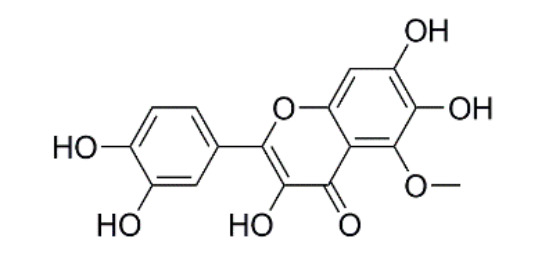 | [9] |
Formononetin | X. strumarium fruit | HO O O OH | [1] |
kaempferol | X. strumarium aerial parts | OH HO O OH OH O | [10] |
Myricetin | X. strumarium aerial parts | OH OH HO O OH OH OH O | [10] |
Naringenin | X. strumarium aerial parts | OH HO O OH O | [4] |
Ononin | X. strumarium fruit | 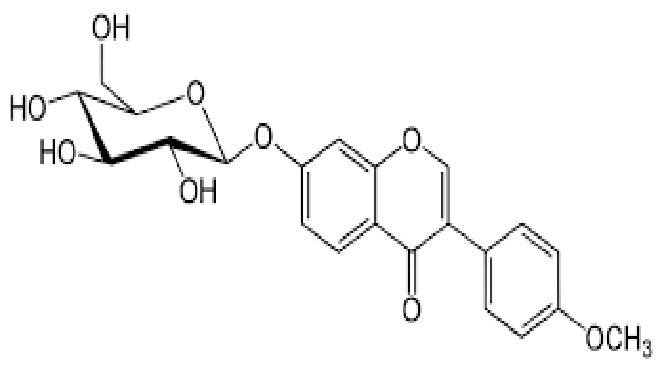 | [9] |
Patuletin-3-glucuronide | X. strumarium fruit | OH HO O OH O O OH O OH O HO OH O OH | [1] |
Quercetin-3-O-glucuronide | X. strumarium fruit | OH HO O OH O OH O OH O HO OH O OH | [1] |
Quercetin | X. strumarium aerial parts | 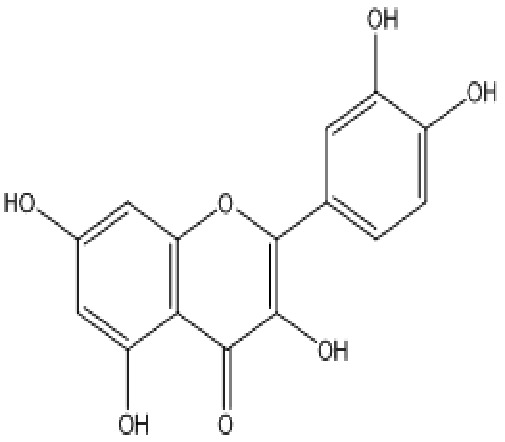 | [4] |
Rutin | OH HO OH OH OH O O O OH O OH O OH HO O OH |
This paper revealed their phytochemical and pharmacological properties including analgesic, anti-inflammatory, and antiviral effects. All these activities are correlated to the presence of volatile oils, flavonoids and sesquiterpenes mainly. It showed that Xanthium strumarium is the most widespread in the Middle East regions including Egypt, Lebanon, Syria and China too. Genus Xanthium was investigated due to its extensive global presence and medicinal importance.3,4,35
In a detailed ethnomedicinal survey conducted in 2021 in Hama, the information gathered from herbalists indicated that the genus Xanthium is primarily used to treat inflammatory conditions, and many other health problems as a natural therapy. Furthermore, a study carried out in 2022 in Saudi Arabia, demonstrated that both methanolic and ethanolic extracts of X. strumarium significantly inhibited the growth of Aspergillus niger, and Fusarium species proving its strong antifungal properties.36,37
In 2019 a study guided by Abd El-Gawad et al. Focused on the essential oil obtained from the leaves of Xanthium strumarium harvested in Egypt. It showed significant inhibitory effects on the growth of Bidens pilosa, indicating its potential as a natural herbicide.9,23 Moreover, in 2020, Sahoo et al. Identified the sesquiterpene lactone named xanthatin, which has been associated with the antimalarial effects of X. strumarium. Hopefully, based on the promising results collected in this study, we recommend additional research to be conducted on different species of the genus Xanthium. Moreover, we need to do more researches to ensure the safety of the use of volatile oils in agriculture in the future.
CONCLUSION
This article highlights a number of active constituents specifically flavonoids and sesquiterpene lactones playing an important role in treating several diseases as discussed in folk medicine and thus can play an extraordinary role in drug manufacturing from a natural source. Based on the above presented results we conclude that Xanthium species exert a strong antitumor effect on cancer cells specifically on breast cancer and exert antibacterial and antifungal activity too.
Name | Xanthium species (Part used) | Structure | References |
|---|---|---|---|
Xanthinin | X. strumarium leaves | 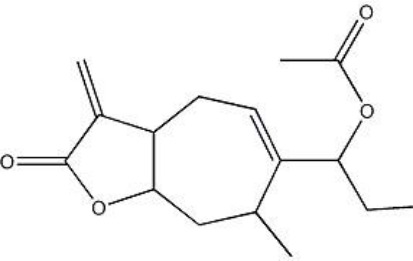 | [1] |
Isoxanthanol | X. strumarium leaves | 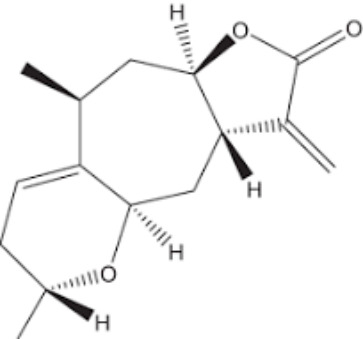 | [2] |
Xanthane | X. strumarium fruits | 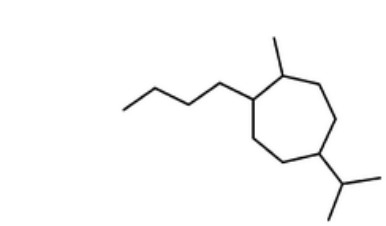 | [12] |
Xanthanolides | X. strumarium fruits | 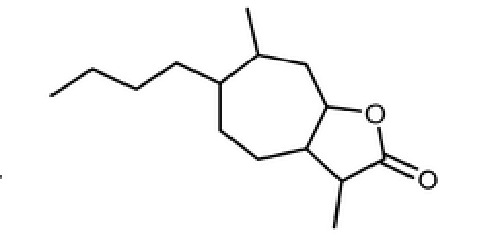 | [12] |
Xanthumin | X. strumarium fruits | O O H H O O O | [4] |
Xanthinosin | X. strumarium fruits | H O O O H | [4] |
Sibirolide B | X. strumarium fruits | 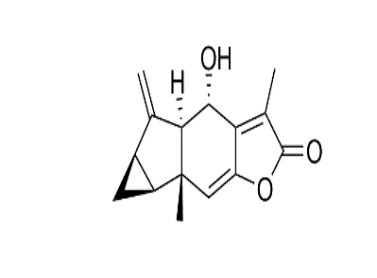 | [11] |
1ß-hydroxyl-5α-chloro-8-epi-xanthatin | X. strumarium aerial parts | 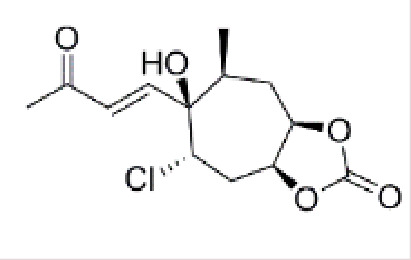 | [13] |
11a,13-dihydro-8-epi-xanthatin | X. strumarium aerial parts | 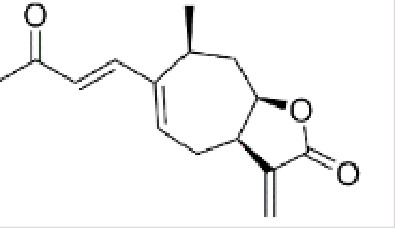 | [13] |
Pungiolide A | X. sibiricum fruits | O HO H O O O O HO H H H O | [14] |
Pungiolide E | X. sibiricum fruits | 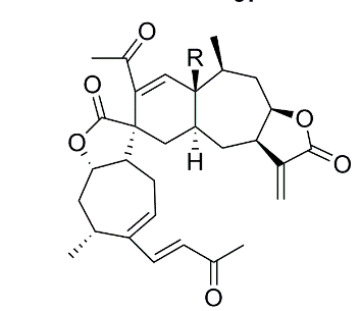 | [15] |
8-epi-tomentosin | X. strumarium leaves | 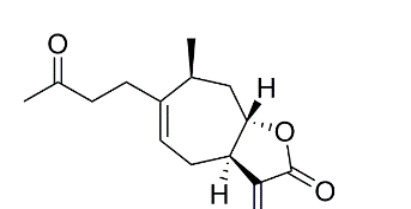 | [16] |
ABBREVIATIONS
A. niger: Aspergillus niger; A. alternata: Alternaria alternata; B. pilosa: Bidens pilosa; C 15 H 24: Molecular formula of sesquiterpenes consisting of fifteen carbon and twenty-four hydrogen atoms; P. falciparum: Plasmodium falciparum; X. ambrosioides: Xanthium ambrosioides; X. chinense: Xanthium chinense; X. cavanillesii: Xanthium cavanillesii; X. italicum: Xanthium italicum; X. orientale: Xanthium orientale; X. sibiricum: Xanthium sibiricum; X. spinosum: Xanthium spinosum; X. strumarium: Xanthium strumarium; α, β-unsaturated-γ-lactone: Alpha, beta-unsaturated gamma-lactone structural moiety; mg/kg: Milligrams per kilogram; L.: Linnaeus (taxonomic authority designation); et al.: And others; vs.: Versus; No.: Number.
CONFLICT OF INTEREST
The authors declare that there is no conflict of interest.
AUTHOR'S CONTRIBUTION
RB, ZO, AFH, AA, AI, AJ, AH, FN, JR, MG, YZ, ZF, MH, AL, and MAO were remarkably involved in the work reported. They provided concept and design, data collection, analysis and interpretation of results. They were also involved in drafting and evaluating the manuscript. All supervised and granted the final acceptance of the manuscript before it was published.