0% READ
FULL TEXT
INTRODUCTION
Medicinal plants still have a significant role to play in terms of therapeutic agent discovery and still do play a key role in modern day drug discovery. As the issue of drugs resistance, side effects of synthetic drugs and the need to find safer alternatives have grown concerns, a new interest in conducting systematic research to validate the traditional medicinal plants has arisen. Extensive literature reviews incorporating ethnomedicinal data with pharmacological and phytochemical data are thus necessary to aid in the logical design of plant-based therapeutics. 1 Mimosa pudica Linn., also referred to as the touch-me-not plant is widely known both in its special seis-monastic movements of the leaves as well as the vast use in herbal medicine. It has been evidenced by different studies that the plant has a wide range of biological activities and these include, antioxidant, anti-inflammatory, antimicrobial, wound-healing, antidepressant, anticonvulsant and hepatoprotective properties. It is highly due to the presence of bioactive constituents including alkaloids, flavonoids, tannins, glycosides and phenolic compounds that these pharmacological properties have been associated with.
Even though a variety of experimental and ethnobotanical research on Mimosa pudica can be found, the results are disjointed. The current review paper will set out to describe briefly and comprehensively the plant, its botanical features, phytochemical profile, pharmacological effects, analytical assessment, traditional applications, and formulation methods. This review aims to justify the scientific justification and possible application in modern medicine of Mimosa pudica through collecting the current evidence and outlining the research perspectives in the future. Mimosa pudica Linn., belonging to Fabaceae family is well known by its unique seismonastic movements of leaves and a variety of therapeutic uses. The plant has a wide range of pharmacological effects, and it is traditionally used in many indigenous medicinal systems, which are anti-inflammatory, antioxidant, antimicrobial, antidiabetic, and wound-healing. Phytochemistry studies have shown the existence of alkaloids, flavonoids, tannins, and glycosides which are the major causes of its bioactivity. The current review gives an in-depth review of the botanical properties, phytochemical compounds, pharmacological studies, and ethnomedicinal uses of Mimosa pudica. Moreover, it outlines the opportunities in future studies to understand its molecular pathways and confirm its clinical effectiveness to be used in therapy. 2,3
Biological Source
Mimosa pudica Linn., belonging to the family Fabaceae (Leguminosae) Table 1.
Common Names of Mimosa pudica
- Sensitive plant.
- Touch-me-not.
- Shame plant.
- Sleeping grass.
- Humble plant.
- Action plant.
Regional and Traditional Names of Mimosa Pudica
- Lajjalu or lajwanti (in Hindi and Marathi).
- Thottavadi (in Malayalam).
- Chui mui (in Hindi).
- Thottachurungi (in Tamil).
- Makahiya (in filipino).
Geographical Source
Mimosa pudica is native to the tropical parts of the Americas though it has been spread throughout the world. It has now been widely distributed in several of the Asian nations such as Singapore, Bangladesh, Thailand, India, Nepal, Indonesia, Taiwan, Malaysia, the Philippines, Vietnam, Cambodia, Laos, Japan, and even Sri Lanka. The plant has been introduced to many other parts of the world beyond its native and naturalized habitats, where it is frequently regarded as invasive especially in Tanzania, certain parts of South and Southeast Asia and various Pacific islands. In Australia, it is considered as an invasive species in some parts like Northern Territory and Western Australia (although it is yet to be completely naturalized there).
Queensland authorities also propose active management to ensure it is controlled. 4 Habitat Mimosa pudica is grown in diverse open and disturbed environments, such as agricultural lands, orchard, pasture, along the road, construction sites, damp wastelands, plantation, and thick weed cover among others. It cannot tolerate shade and can hardly grow under tall plants or under the canopies of forest.
Habitat
Carbon disulfide is a compound released by the roots of the plant, which selectively inhibits the growth of mycorrhizal fungi, which are useful to the soil as well as pathogens in the nearby soil.
It is most prevalent in the nutrient deficient soils, presumably due to the fact that it is unable to compete successfully in more favourable environments. 5,6,7,8 Cultivation Mimosa pudica is an indoor perennial which is a short-lived perennial, but it is also used as groundcover. Propagation is normally carried out through seeds which take 2-3 weeks to germinate. The plant is also adapted to low-nutrient soils that have good drainage and can also grow in poor or eroded subsoils.
Taxonomical Classification | |
|---|---|
Kingdom | Plantae |
Clade | Tracheophytes |
Clade | Angiosperm |
Clade | Eudicot |
Order | Fabales |
Family | Fabaceae |
Sub-family | Caesalpinioideae |
Genus | Mimosa |
Species | M. pudica |
Cultivation
It is not well competing with the taller vegetation or in dense forest canopy. It needs sheltering growing conditions in cooler climates below 13ºC (55ºF) Table 2. 7
Morphology Plant Movement
The touch-me-not plant shows a unique movement response when touched or stimulated. This movement is known as the seismonastic movement (a type of nastic movement) Figure 1. When the leaves or leaflets of Mimosa pudica are touched, shaken, heated, or exposed to light, the leaflets fold inward and droop. After a few min, they return to their normal position. Leaf movement is driven by changes in turgor pressure and cell volume, particularly in the extensor cells, which swell due to the intake of potassium ions (K⁺). In darkness, the K⁺ channels in extensor cells close, while those in the flexor cells open. This causes the flexor cells to lose turgor pressure and shrink, leading to a loss of stiffness in the pulvinus joint and allowing the leaf to droop. The flexor cells are located opposite the extensor cells. 10 When extensor cells lose their turgor, the flexor cells expand. These reversible changes in cell shape and volume enable complex movements of leaflets and petioles. In the Mimosa plant, the flexor cells behave similarly to animal muscles, shortening in response to an action potential. This reaction can be triggered by physical touch, sudden darkness, or the arrival of electrical signals. 11 Various other mechanisms involved in leaf movement are:
Plant Part | Description | Figure |
|---|---|---|
Leaf | The leaves of Mimosa pudica are arranged alternately and are compound, supported by a petiole measuring between 2 to 6 cm in length. The petiole is covered in fine hairs and may be smooth or bear a few thorns. At its base, there are two narrow, linear stipules, 5 to 10 mm long, featuring parallel veins. The leaf blade consists of 1 to 2 nearly finger-like pairs of pinnae, each ranging from 4 to 9 cm long and 0.8 to 1.5 cm wide. | 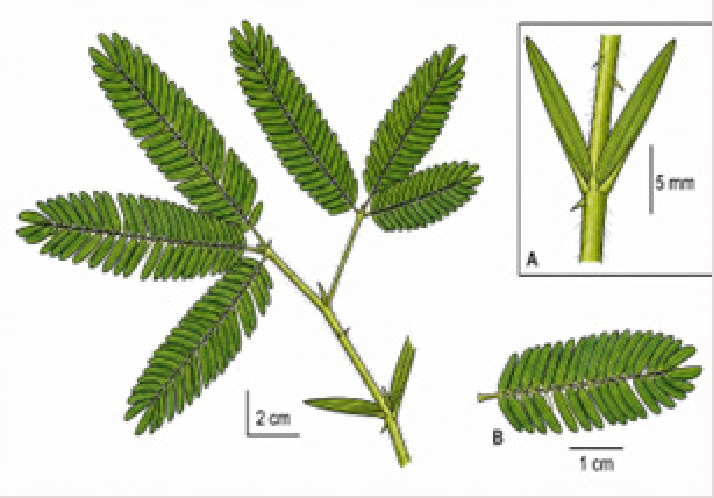 |
Flower | The flower features a small calyx and a bell-shaped corolla measuring about 2 to 2.3 mm. It contains four stamens that are 7 to 8 mm in length, pink in colour with white anthers. Positioned among the stamens is a slender, thread-like white style. | 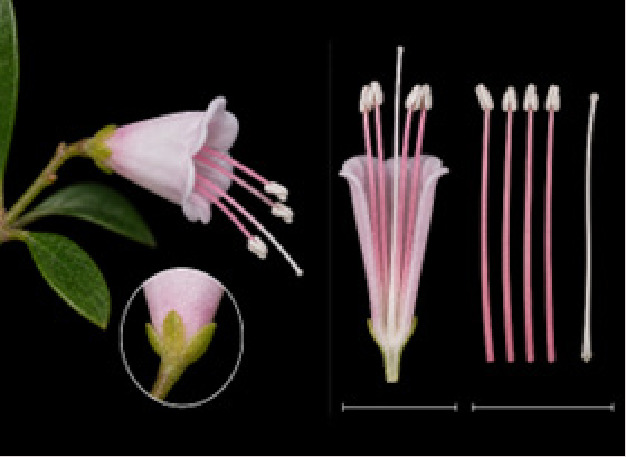 |
Fruit | The fruit of Mimosa pudica is a stalkless, linear-oblong pod measuring about 1 to 1.5 cm in length and 3 to 4 mm in width. It is flat in shape with edges lined by long, rigid hairs. These pods cluster together at the tip of the stalk.[9] | 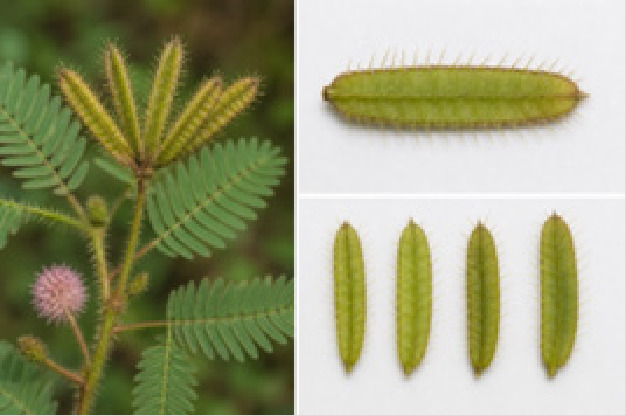 |
Seeds | The seed is shaped between oval and round, measuring approximately 2.5 to 3 mm across and 1 to 1.2 mm in thickness. Its outer surface is smooth and brown in colour. | 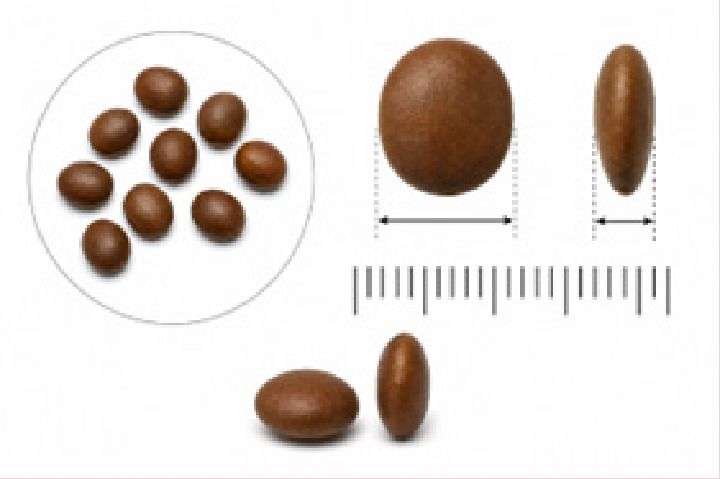 |
Roots | The roots are cylindrical and tapering, often hanging downward with secondary and tertiary branches. They vary in length and can be up to 2 cm thick. The surface is generally rough or marked with longitudinal wrinkles, and the outer colour ranges from greyish-brown to brown. | 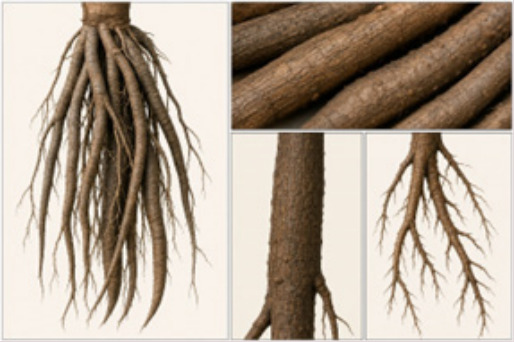 |
Stem | The stem is cylindrical and can reach up to 2.5 cm in diameter. It has sparse prickles and is covered with long, soft bristles that run along its lengthwise grooves. The outer surface is light brown, while the inner surface appears grey. The bark is fibrous and can be easily separated from the woody core. | 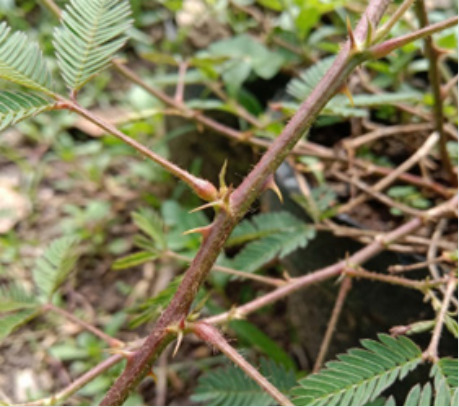 |
- External Stimulus.
- Electrical signal generation.
- Ion movement.
- Turgor pressure change.
- Release of calcium. 12
Microscopy
Roots
The cork layer is composed of thick, narrow, corrugated, tangentially elongated rectangular cells, forming 5 to 12 outer layers that are often crushed or exfoliated.
The cortex consists of 6 to 8 layers of cells-oval or narrow in the upper region and rectangular and broader in the lower region-with noticeable intercellular spaces.
The outermost cortex contains scattered fibers and crystals. Medullary rays are broader near the cortex and taper toward the center. Vascular bundles include secondary phloem made up of sieve elements, crystal fibers, and phloem parenchyma, intersected by phloem rays that appear singly or in groups arranged in tangential bands.
Parameters | Upper epidermis (/mm2) | Lower epidermis (/mm2) |
|---|---|---|
Epidermal number | 680-760 | 830-940 |
Stomatal number | 146-160 | 210-240 |
Stomatal index | 17.52 | 20.27 |
Palisade ratio | 42-60 | - |
Vein islet number | 28 | - |
Vein termination number | 42 | - |
The crystal fibers are thick-walled and contain one to four prismatic calcium oxalate crystals. Phloem rays range from uniseriate to multiseriate. The secondary xylem comprises typical structural elements, interspersed with xylem rays.
Vessels and thick-walled parenchyma cells are distributed throughout the secondary xylem. 13
Stem
The mature stem displays a cork layer composed of four to eight layers of tangentially elongated cells, often exfoliated and filled with reddish-brown substances.
Just beneath the cork lies a single layer of collenchyma.
The secondary cortex is broad, made up of large, moderately thick-walled parenchymatous cells that are tangentially elongated to oval in shape and also contain reddish-brown material.
Some of these cells house prismatic calcium oxalate crystals, and numerous lignified fibers-either solitary or in groups-are scattered throughout the cortex. 13 Plant Part Description Figure
Petiole
The Transverse Section (TS) of the petiole appears oblong and crescent-shaped, featuring two subtle wing-like projections on its upper side.
Numerous reticulate lacunae are present on both sides of the cortex in the adaxial region of the petiole, where the parenchyma cells are large and irregular-commonly referred to as motor tissue.
In contrast, the reticulate lacunae on the abaxial side are less prominent than those on the adaxial side.
The phloem on the adaxial side may contain a few underdeveloped fibers, whereas the phloem on the abaxial side is characterized by well-developed fibers Table 3. 14
Plant Parts | Major Chemical Constituents | Structure | Properties / Biological activities |
|---|---|---|---|
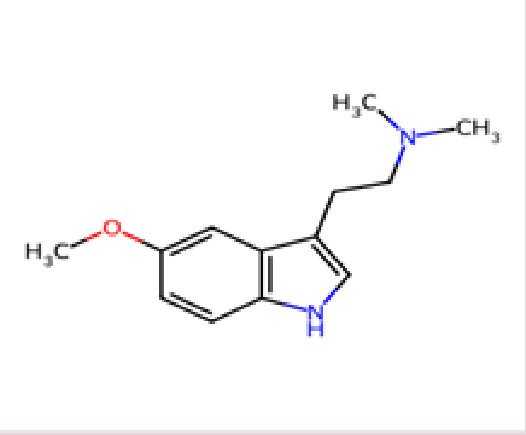
Stem | Mimosine, 5-MeO-DMT, B-[N-(3-hydroxypyridone- 4)]-o-aminopropionic acid | 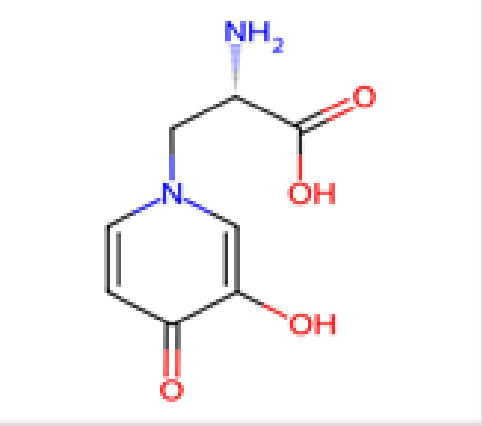 | Cytotoxic, sedative, neuroactive |
 | |||
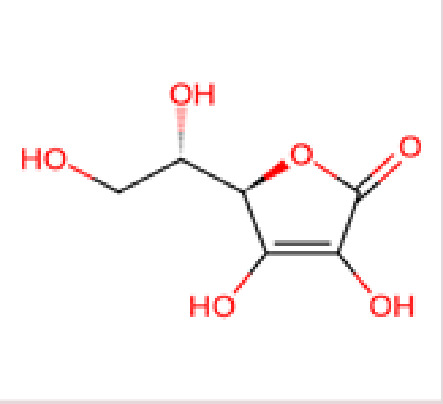
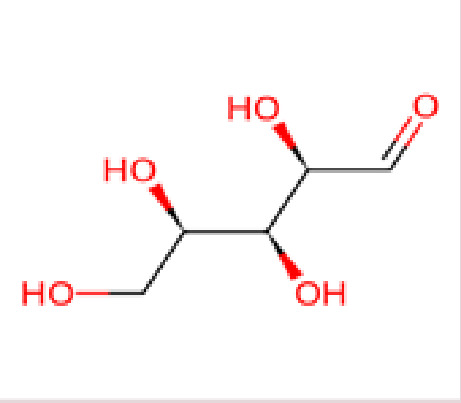
Roots | Mimosine, Alkaloids, Amino acids, Glycosides, Fatty acids (Linoleic, Palmitic, Stearic), Flavonoids, Phytosterols, Tannins, Ascorbic acid, D-glucuronic acid, D-xylose | 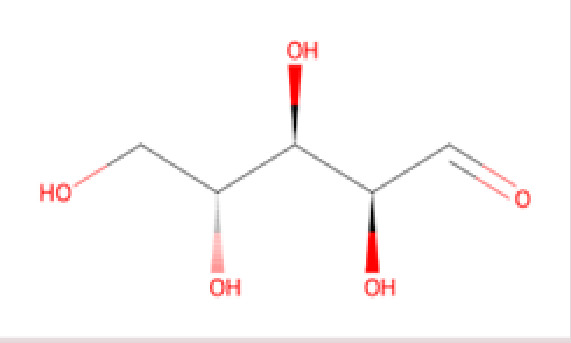 | Antimicrobial, analgesic, antioxidant, antiulcer |
 | |||
 | |||
Seeds | D-xylose, D-glucuronic acid, C-glycosylflavones, Phenolic ketone, Buffadienolide | 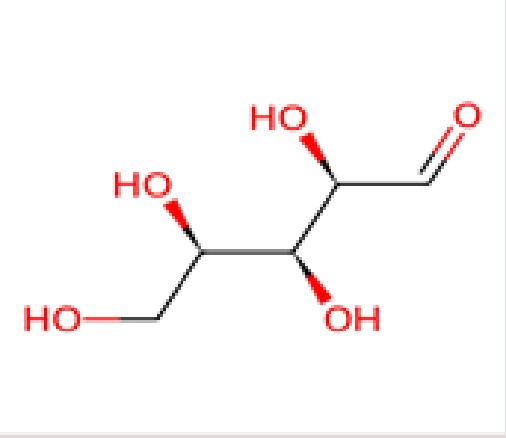 | Antioxidant, anti-inflammatory, cytotoxic, anti depression |
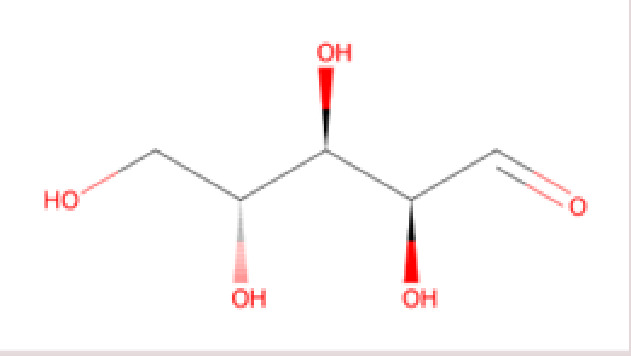 | |||
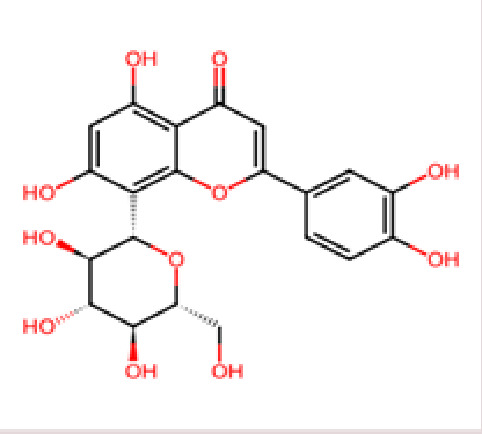
Whole Plant / Aerial Parts | Crocetin, Gallic acid, Abscisic acid, Mimosinic acid, Norepinephrine, L-noradrenaline, Flavonoids (orientin, isoorientin, cassiaoccidentalin B), Thiamin | 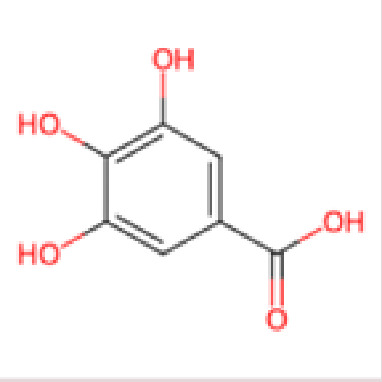 | Antimicrobial, antioxidant, hepatoprotective, wound healing |
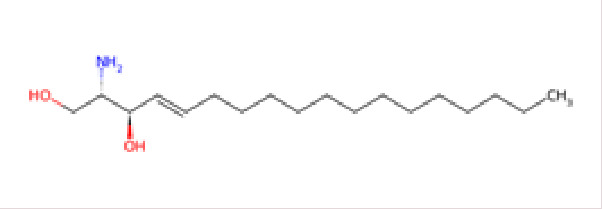 | |||
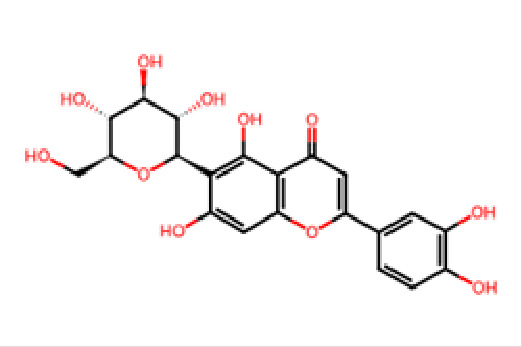 | |||
 | |||
 |
Chemical Constituents
Extraction Methods
Maceration-This method involves soaking the plant material in a solvent for a particular amount of time. Solvent choice for maceration can be: Ethanol, Chloroform, n-hexane, Water etc.
Ethanol extraction-a common method involves soaking the chopped plant material in a 60% or 70% ethanol solution for reflux or maceration. The mixture is then filtered, and the solvent is evaporated.
Soxhlet extraction-Ground Mimosa pudica can be extracted with ethanol in Soxhlet apparatus to obtain the extract.
Ultrasonic assisted extraction-This technique combines cold leaching with an ethanol solution for a specific period (10-30 min) at room temperature, followed by concentrating the solution and using microporous adsorption resin to isolate total flavonoids.
Precipitation-To isolate the mucilage, 96% ethanol is added to the filtered solution, causing the mucilage to precipitate. The precipitate mucilage is collected, dried in an oven and then ground and sifted. 17 Examination and Interpretation
Examination and Interpretation
LC-MS
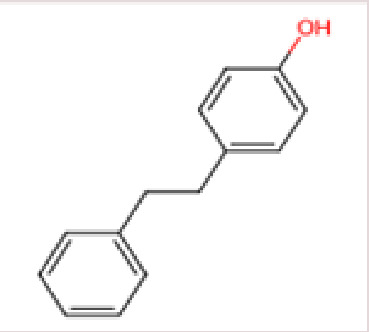
The chemical constituents of the ethanol extract of Mimosa pudica were analyzed through the LC-MS (Liquid Chromatography-Mass Spectroscopy) analysis to find out the chemical constituents of the extract using the comparison of molecular weights with available literature. The findings, which were summarized in Tables 4 and 5, showed a bountiful content of phytochemicals. These were phenolic, flavonoid, and different acids which were myoinositol, 4-phenylbutan-2-ol, 4-(2-phenylethyl)-phenol, 2-hydroxybenzene ethanol, luteolin, fisetin, apigenin, quercetin, naringenin and gallic acid, p-hydroxybenzoic acid, caffeic acid, jasmonic acid, monoamidomalonic acid, ferulic acid. It is worth noting that the 4-(2-phenyl)-ethylphenol had the highest mass ionization signal at 104.0. 18
Thin layer chromatographic studies
Thin Layer Chromatography (TLC) of the drug's alcoholic extract was performed on Silica Gel G plates using a solvent system of n-butanol, acetic acid, and water in a 4:1:5 ratio. Under UV light at 366 nm, four fluorescent spots were observed at Rf values of 0.35, 0.62, and 0.69 (all blue), and 0.81 (bluish pink). When exposed to iodine vapor, two yellow-colored spots appeared at Rf 0.35 and 0.94. Upon spraying with Dragendorff reagent followed by 5% methanolic sulfuric acid, a single orange spot was detected at Rf 0.35. 14,13 HPTLC A straightforward, sensitive, and dependable reversed-phase HPTLC technique was developed for measuring mimosine content in the whole plant powder of Mimosa pudica L. Initially, the plant material was extracted with methanol, followed by water extraction of the remaining residue. The resulting aqueous extract was used for analysis. Chromatographic separation was carried out on silica gel RP-18 F254s plates using a mobile phase composed of ethyl acetate, glacial acetic acid, and water in a 6:1:1.7 volume ratio. Detection and quantification were performed through densitometric scanning at 282 nm in reflectance-absorbance mode. The method showed a linear response to mimosine concentrations ranging from 30 to 100 mg/ mL in the extract. The mimosine content in the plant powder was determined to be 20 mg per gram. The method was thoroughly validated for its linearity, precision, accuracy, and robustness. 20
HPTLC
Fluorescence analysis
of Mimosa pudica leaf extracts was carried out under both long and short wavelength UV light in daylight conditions Tables 6 and 7.
Predominant Pharmacological Activity
Wound healing activity
The wound healing potential of Mimosa pudica root extracts was evaluated by formulating methanolic and total aqueous extracts into a simple ointment base (B.P.) at concentrations of 0.5%, 1%, and 2% (w/w).
The study employed three experimental models in rats: excision wounds, incision wounds, and biochemical parameter analysis.
Notably, ointments containing 2% (w/w) of either extract demonstrated highly significant wound healing effects (p<0.001).
Antidepressant action
In Mexico, dried leaf extracts of Mimosa pudica are traditionally used to treat depression.
This study evaluated the behavioural effects of its aqueous extracts at various doses (2.0, 4.0, 6.0, and 8.0 mg/kg) in rats over 30 days.
Rats were tested using the forced swimming test, DRL-72 s task, and elevated plus-maze, comparing results with standard antidepressants (clomipramine, desipramine) and diazepam for anxiolytic effects.
Extracts at 6.0 and 8.0 mg/kg significantly reduced immobility and improved response rates, indicating potential antidepressant properties of M. pudica .
24
Anticonvulsant action
The decoction of M. pudica leaves given intraperitoneally at a dose of 1000-4000 mg/kg protected mice against pentylenetetrazole and strychnine-induced seizures.
Tentative compound | Structure | Molecular formula | Molecular weight |
|---|---|---|---|
4-(2-phenylethyl)-phenol | 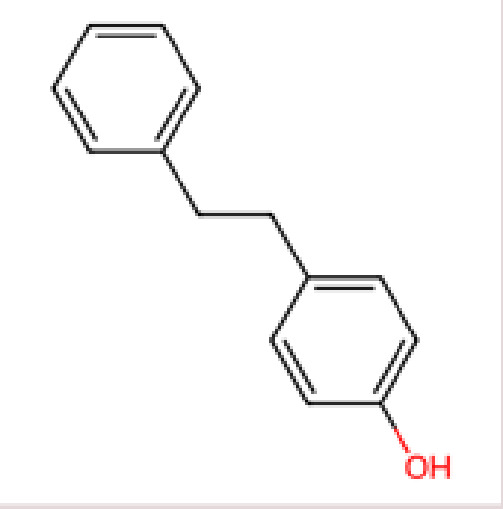 | C H O 14 14 | 198.26 |
Ferulic acid | 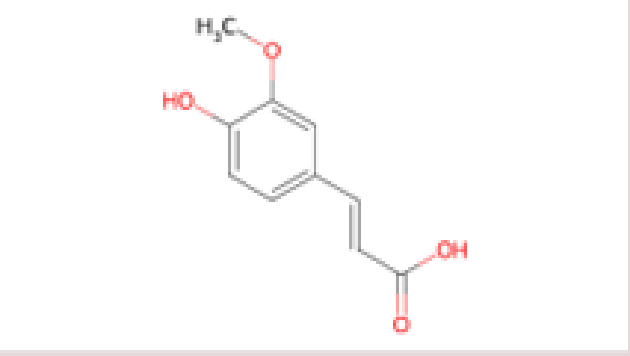 | C H O 10 10 4 | 194.8 |
Caffeic acid | 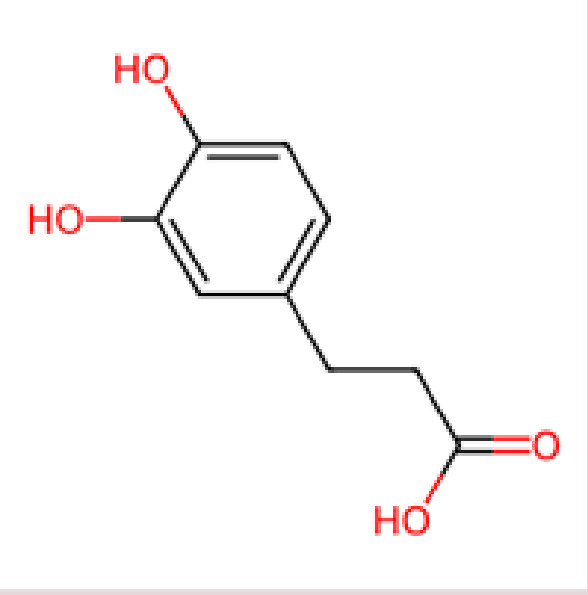 | CHO 9 8 4 | 180.16 |
Tyrosinamide | 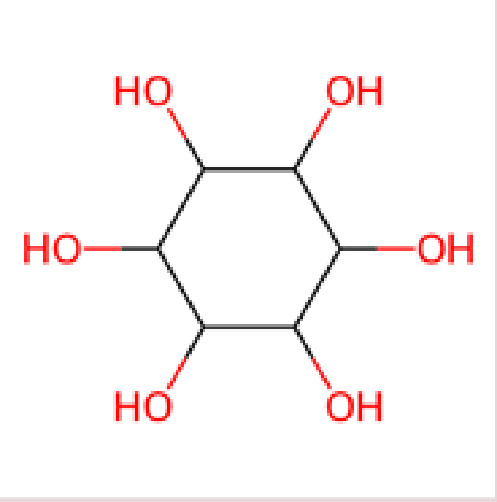 | CH NO 9 12 2 2 | 180.2 |
p-Hydroxybenzoic acid | 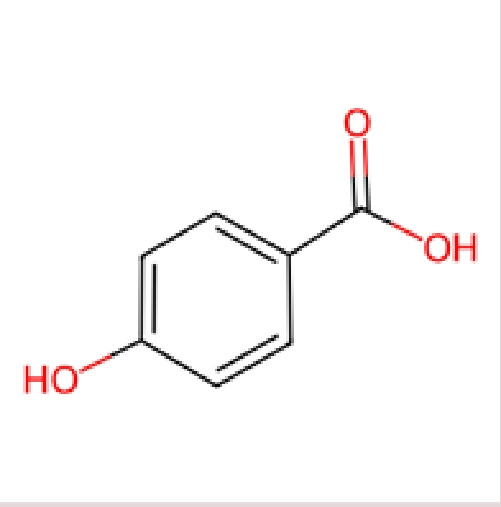 | CHO 7 6 3 | 138.12 |
Extracts | Day light | UV light | |
|---|---|---|---|
Short (254nm) | Long (365nm) | ||
n-Hexane | Green | Green | Yellow fluorescence |
Chloroform | Dark green | Red | Brown |
Ethyl acetate | Pale green | Blue fluorescence | Dark orange |
Methanol | Reddish brown | Blue fluorescence | Black |
extract. 18,19 M. pudica had no effect against picrotoxin-induced seizures. It also antagonized N-methyl-D-aspartate-induced turning behavior.
These properties could explain its use in African traditional medicine. 25
Hyperglycemic effect
Oral administration of ethanolic leaf extracts of Mimosa pudica at a dose of 250 mg/kg in mice resulted in a marked increase in blood glucose levels. 26
Antifertility activity
Mimosa pudica is traditionally used as an antifertility agent in parts of India.
In a study, methanolic extracts from its air-dried roots were orally administered to Swiss albino mice for 21 days. Researchers examined estrous cycle patterns, reproductive hormones (LH, FSH, prolactin, estradiol, progesterone), and litter count using standard methods. Phytochemical analysis was done via qualitative and TLC techniques.
The extract extended the estrous cycle and the secretion of gonadotropins, significantly lowering the levels of FSH on both proestrous and estrous phases, suggesting that ovulation and fertility were impaired. 27
Diuretic effect
The Mimosa pudica leaf decoction that was administered at 200, 500, 1000, and 2000 mg/kg in rats and dogs showed that it had a diuretic effect as evidenced by the reduction of sodium, potassium and chloride excretions in the urine.
A 250 mg/kg dose had reached 82% of diuretic effect of hydrochlorothiazide (2.5mg/kg) in rats.
The extract showed a tremendous decrease of sodium and chloride excretion by more than 50% with no change in potassium. This implies that it might be a moderate diuretic and can be administered together with potassium-depleting synthetic diuretics. 13
Antihepatotoxic and antioxidant potential
Reactive Oxygen Species (ROS) are the cause of liver-related diseases through the facilitation of Lipid Peroxidation (LPO) and immunosuppression of antioxidant defenses.
This paper evaluated both enzymic (SOD, CAT, glutathione peroxidase) and non-enzymic (Glutathione, Vitamin C) antioxidants in rats that suffered liver damage due to ethanol. Ethanol produced a massive decrease in antioxidant action (p<0.05), which represents hepatotoxicity.
Nonetheless, co-administration of the leaf extract of Mimosa pudica significantly enhanced the antioxidant potential and decreased LPO (p<0.05), which indicates that it has protective properties against oxidative stress and liver damage. 28
Antimicrobial properties
The antimicrobial properties of Mimosa pudica whole plant extracts-prepared using petroleum ether, chloroform, ethyl acetate, methanol, and water-were evaluated against a range of Gram-positive and Gram-negative bacteria.
The study employed both agar well diffusion and agar disc diffusion methods to measure zones of inhibition.
Tested bacterial strains included Escherichia coli, Staphylococcus aureus, Staphylococcus albus, Proteus vulgaris, Salmonella typhi, Salmonella paratyphi A and B, Shigella flexneri, Klebsiella pneumoniae, and Pseudomonas aeruginosa.
Uses
Present-day uses
Its various parts are employed in managing ailments such as dysentery, leprosy, urinary disorders, skin diseases, leukoderma, and jaundice.
The plant is also beneficial in addressing fever, cough, cholera, tuberculosis, biliousness, burning sensations, uterine issues, and syphilis.
Due to its apoptotic properties, it has applications in cancer treatment.
Additionally, it helps relieve myalgia and is used for urinary tract infections.
21,22 Other uses include treatment of ulcers, conjunctivitis, wounds, hemorrhoids, and hemorrhages. 29
Conventional uses
Mimosa pudica leaves possess antiseptic properties, while the dried plant powder is effective in reducing excessive salivation.
The plant functions as a diuretic, tonic, and general health supporter.
It also serves as an expectorant and is beneficial in treating conditions such as gonorrhea, excessive thirst (hyperdipsia), and asthma. Additionally, it is used in cases of snake bites.
Its primary applications include managing convulsions, muscle cramps, inflammatory tumors, and urinary stones (lithiasis). 30 The powdered form of the plant is particularly useful in asthma relief.
Regional uses
In Kurukshetra District, Haryana, Mimosa pudica-locally known as Chhuimui-is traditionally used to boost male sexual health.
In Sagar District, Madhya Pradesh, it's called Laajvanti, and its leaves and roots are used to treat kidney stones, piles, and fistula. The roots are also part of a remedy for snakebites taken orally.
In West Bengal, the plant is known as Lazaoni, where a root decoction is used as a mouthwash to relieve gum problems and toothaches.
In Ecuador, referred to as Punyo-sisa, its leaves are placed in pillows to help children and elderly individuals sleep better. 31 Formulations Formulations of Mimosa pudica include powders and extracts, often blended into polyherbal products like hand washes and creams, though some formulations are available as standalone gels or are in the process of being developed for more advanced delivery systems like transdermal patches and hydrogels. Particular products can be the brands of Mimosa pudica extract powder or polyherbal hand wash products which contain Mimosa pudica extract among other herbs.
Phytochemical | Names of test | Procedure |
|---|---|---|
Alkaloids | Dragendorff’s Test | Add Dragendroff’s reagent to extract; orange/red precipitate indicates alkaloids. |
Wagner’s Test | Add Wagner’s reagent; reddish-brown precipitate confirms alkaloids. | |
Flavonoids | Shinoda Test | Add magnesium turnings and conc. HCl; pink/red coloration confirms flavonoids. |
Alkaline Reagent Test | Add NaOH; intense yellow color that disappears with acid confirms flavonoids. | |
Tannins | Ferric Chloride Test | Add FeCl blue-black or green color indicates 3; tannins. |
Lead Acetate Test | Add lead acetate; white precipitate confirms tannins. | |
Saponins | Foam Test | Shake extract with water; persistent froth indicates saponins. |
Glycosides | Keller-Killiani Test | Add glacial acetic acid, FeCl, and conc. HSO; 3 2 4 reddish-brown ring confirms glycosides. |
Terpenoids | Salkowski Test | Add chloroform and conc. HSO; reddish-brown 2 4 interface indicates terpenoids. |
Phenols | Ferric Chloride Test | Add FeCl; deep blur or black color confirms 3 phenolic compounds. |
Steroids | Liebermann-Burchard Test | Add acetic anhydride and conc. HSO; green color 2 4 indicates steroids. |
Proteins | Biuret Test | Add NaOH and CuSO; violet color confirms 4 proteins. |
Xanthoproteic Test | Add conc. HNO; yellow color turning orange with 3 alkali confirms proteins. | |
Carbohydrates | Molisch’s Test | Add a-naphthol and conc. HSO; violet ring at 2 4 junction confirms carbohydrates. |
Benedict’s Test | Heat with Benedict’s reagent; red precipitate indicates reducing sugars. |
Formulations
Marketed Formulations
- Powder and Extract: This is offered as a separate product, commonly as an extract powder to be consumed directly, or to be incorporated into other preparations.
- Polyherbal Hand Wash: Polymerizations of Mimosa pudica extract with other agents such as Azadirachta indica and Citrus limon as antimicrobial agents.
- Herbal Gel: Wound healing products with Gels that are composed of Mimosa pudica root extract are under development.
- Medicated Cream: Mimosa pudica and other extracts are incorporated in a number of products such as medicated vanishing creams that may be used in a variety of ways including the treatment of hyperpigmentation.
Advanced Formulations
- Transdermal Patch: Transdermal patches are under research of being used on anti-inflammatory activity, and this provides an easy way of application.
- Hydrogel: It is being considered to use polysaccharides of Mimosa pudica seeds in developing a hydrogel as a delivery system of drugs, cosmetic goods, and wound dressings.
Ayurvedic Formulations
- Kutaja Avaleha.
- Oral BPH capsule.
- Selip tablet.
- Samagadi churna.
- Lakshadi churna.
- Pilocure tablet.
- Kutajavaleha.
FUTURE PERSPECTIVE
The next study of Mimosa pudica should be directed to the identification of the pharmacological mechanisms of its action. Effective clinical trials are essential to establish its safety and efficacy in human beings. Its therapeutic effect can be enhanced by advancements in the methods of formulation, synergistic therapy, and biotechnological methods. Standardization and quality control are important in ensuring that there is consistency and safety. Collaboration with the indigenous communities contributes to the maintenance of traditional knowledge. Creating awareness to healthcare professionals and policymakers worldwide will facilitate its incorporation in contemporary medicine. This means that the multidisciplinary approach would be able to utilise the full potential of Mimosa pudica, not only to encourage holistic healthcare and preserve cultural heritage but also addressing global health challenges.
Medical and pharmaceutical innovations
- Novel drug development.
- Clinical validation.
- Neuropharmacology.
- Controlled drug delivery.
- Nano formulations.
- Transdermal patches.
- Sustainable and environmental uses.
- Phytoremediation.
- Biomaterials and bio-refineries.
- Soil enrichment.
- Bio-inspired innovations.
CONCLUSION
In conclusion, Mimosa pudica, the so-called touch-me-not plant, is a priceless medicinal plant, which is of great importance both traditionally and modernly. It contains several phytochemicals, including alkaloids, flavonoids, tannins and glycosides, which are responsible in its antioxidant, anti-inflammatory, anti-microbial and anti-diabetic effects. It has traditionally been used as a wound, inflammatory, diarrhoea, and urinary treatment. The plant is also a good physiological and botanical object of study due to its peculiar sensitivity to touch. Its traditional applications have been substantiated by the current research and its prospective in the creation of herbal preparations and natural medicines is also noted. Thus, Mimosa pudica is one of the potential sources of pharmacological research in the future, so, deeper scientific research on its bioactive compounds and pharmacological activities can contribute to proper use of this plant in the medical world.